


Expanding Access. Building Better Sports Infrastructure | November 2026
In This Edition
- In the News: Bringing Quality Football Infrastructure to Northeast India | Tripura
- Project Spotlight: Building a Competition-Ready Hockey Facility | Thiruvannamalai, Tamil Nadu
- Thought Leadership: Designing Inclusive Sports Infrastructure: Creating Spaces Where Everyone Can Play
1. In the News
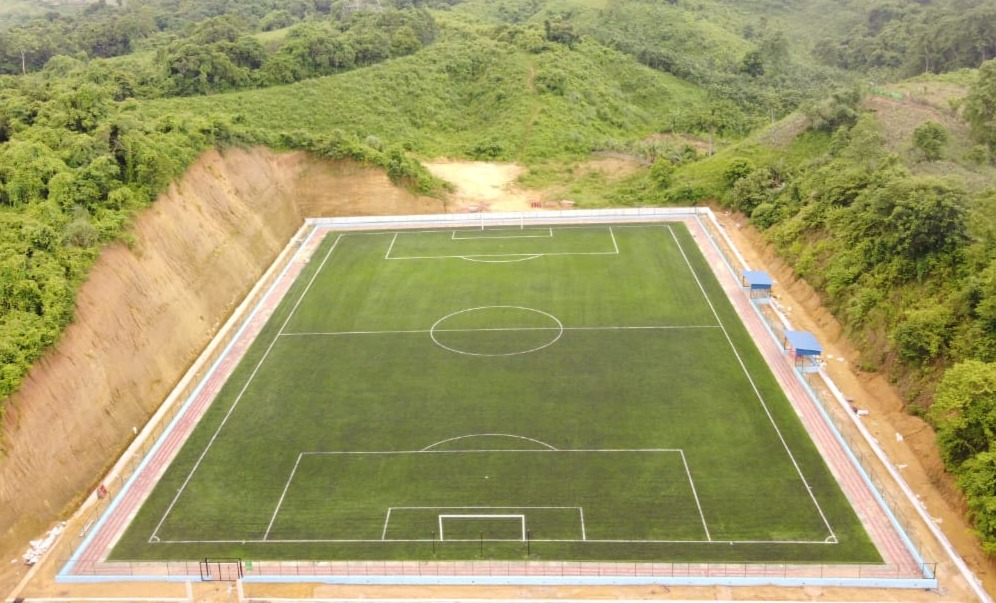
Bringing Quality Football Infrastructure to Northeast India | Tripura
Access to quality sports infrastructure should extend beyond major cities. Developing facilities in emerging regions is equally important to strengthening India’s sporting ecosystem.
Gallant Sports & Infra Ltd has delivered a FIFA-approved synthetic football field in Mungiakami, Khowai District, Tripura, under a government tender issued by the Tripura Housing and Construction Board.
The project brings together synthetic turf installation, engineered base construction, sub-soil drainage, RCC works and perimeter fencing to create a complete football facility.
The development is expected to support grassroots football, local sporting activities and provide aspiring athletes with better access to dedicated playing infrastructure.
Projects like this demonstrate how investment in sports infrastructure can create opportunities for communities and contribute to the growth of sport across India’s diverse regions.
Read the full announcement:
2. Project Spotlight
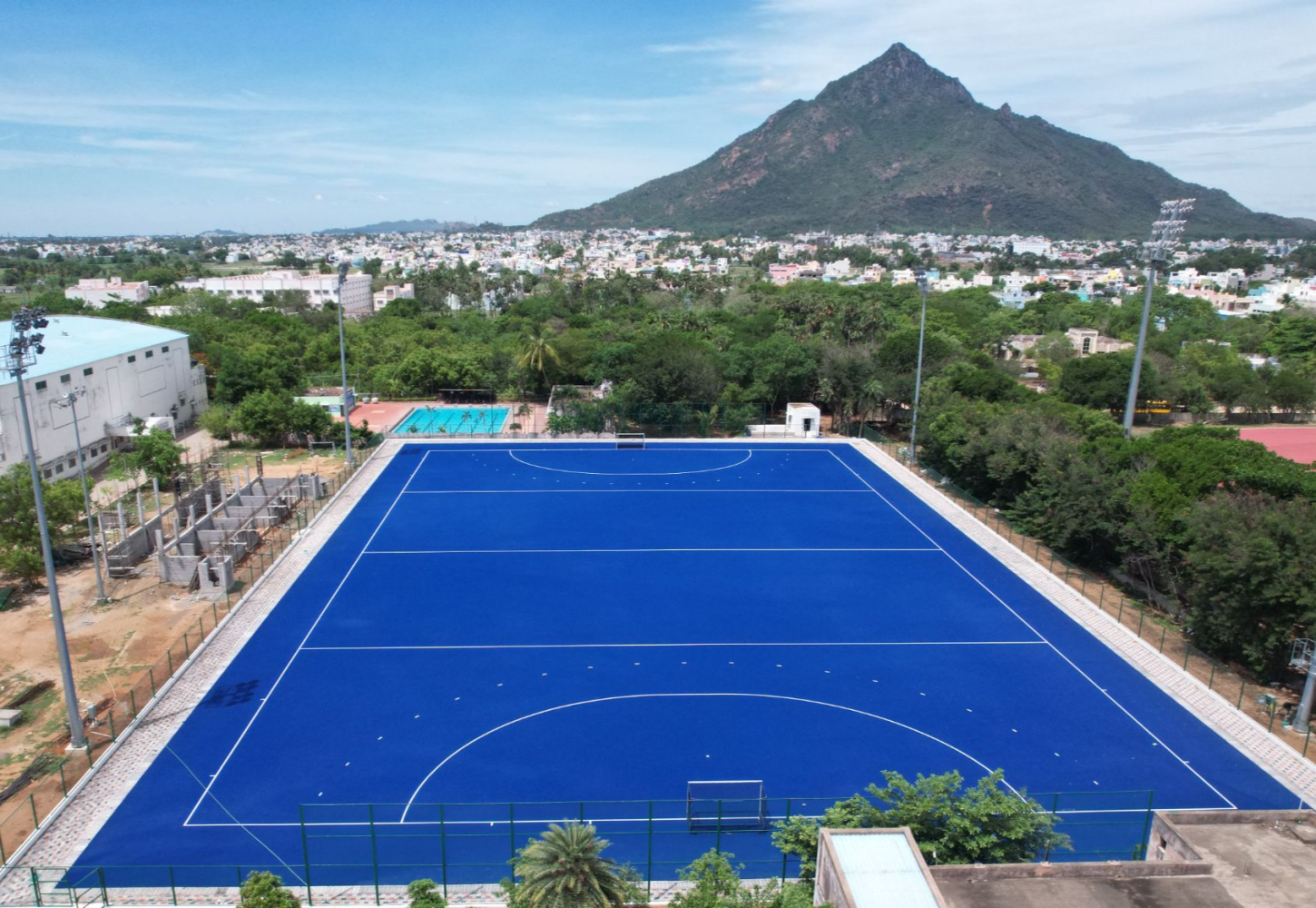
FIH-Approved Synthetic Hockey Turf | District Sports Complex, Thiruvannamalai, Tamil Nadu
A high-performance hockey facility requires more than a quality playing surface. It needs the right supporting infrastructure to deliver a complete sporting experience.
At the District Sports Complex in Thiruvannamalai, Tamil Nadu, Gallant Sports & Infra Ltd delivered an FIH-approved synthetic hockey facility, bringing together specialised sports surfacing, civil construction, irrigation and electrical infrastructure.
Project Highlights
- Hockey Surface: FIH-approved synthetic hockey turf installed by an FIH-certified field builder.
- Base Construction: Engineered bituminous base with a rubberised under-layer.
- Automated Irrigation: Computerised pop-up sprinkler system with dedicated water storage.
- Player Facilities: RCC gallery and changing room block with supporting amenities.
- Stadium Lighting: Four 25-metre high masts with 1,000W LED floodlights for evening play.
- Supporting Infrastructure: RCC drainage, footpaths, security fencing and FIH-approved goalposts.
The project brings together the essential components of a modern hockey venue, supporting structured training, competitive matches and wider participation.
For the district, this facility represents an important addition to its sporting infrastructure, providing athletes with a dedicated environment to train and compete.
Explore the complete case study:
3. Thought Leadership
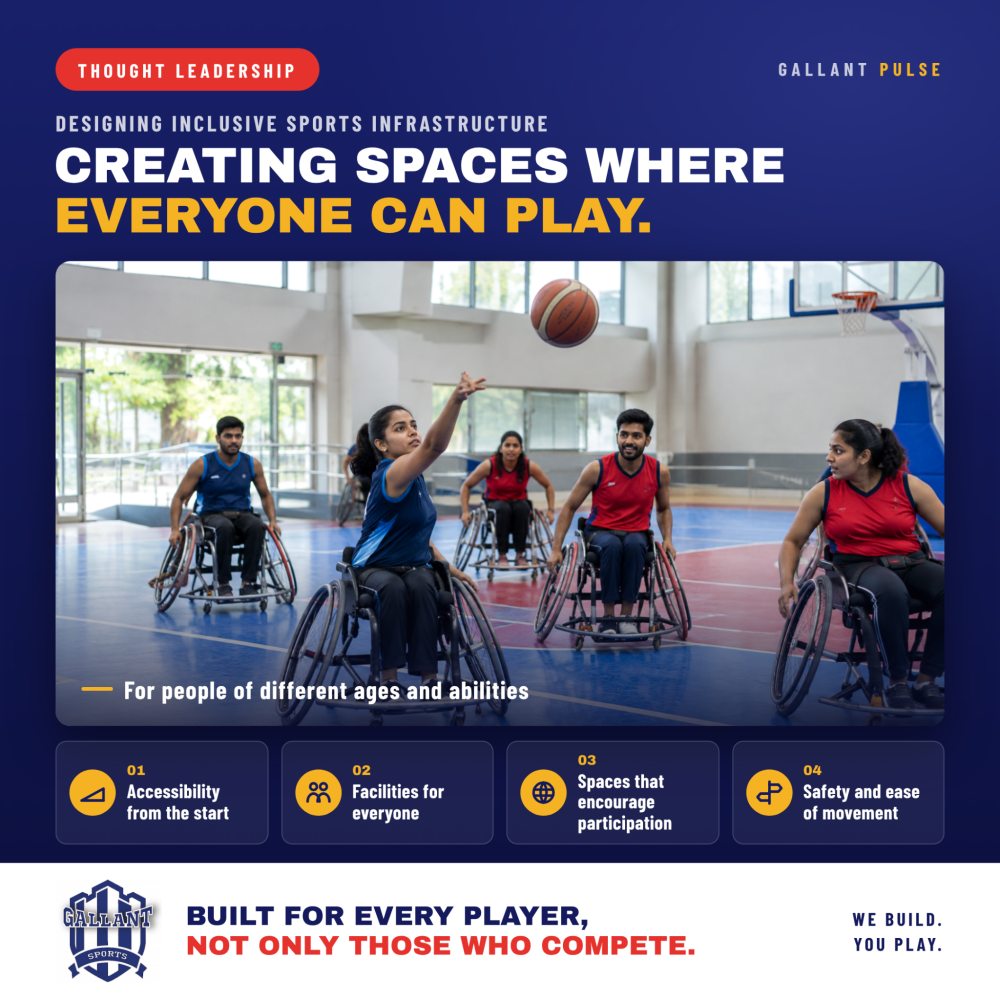
Designing Inclusive Sports Infrastructure: Creating Spaces Where Everyone Can Play
Sports infrastructure should not only be designed for athletes who compete. It should create opportunities for people of different ages and abilities to participate, engage and experience sport.
As schools, universities and government institutions continue investing in sports facilities, inclusive planning needs to become an essential part of infrastructure development.
What Makes a Sports Facility Inclusive?
1. Accessibility from the Start
Accessible pathways, ramps, entry points and circulation areas make facilities easier to navigate for people with different mobility requirements.
2. Facilities for Everyone
Changing rooms, spectator seating, toilets and common areas should be planned to accommodate players, coaches, visitors and spectators alike.
3. Spaces That Encourage Participation
Adaptable play areas and recreational spaces can encourage participation across different age groups and abilities, extending the purpose of a facility beyond competitive sport.
4. Safety and Ease of Movement
Good lighting, clear signage and well-planned pathways improve navigation and make sporting environments more comfortable for everyone.
Building Beyond Performance
The success of sports infrastructure should not be measured only by the quality of its playing surface or the competitions it hosts. It should also be measured by the opportunities it creates for people to participate.
For educational institutions and public sporting facilities, inclusive planning can help build more welcoming environments and encourage wider engagement with sport.
Because better sports infrastructure is not just about building places to play. It is about making sure everyone gets the opportunity to play.
We Build, You Play.
Source: LinkedIn
